

Yes, it is safe to use hypochlorous acid and tretinoin together. They are often used in conjunction with one another, as hypochlorous acid spray can help ease irritation and assist in strengthening the skin barrier as the skin becomes accustomed to tretinoin.
Although tretinoin is one of the best active ingredients in the treatment of both acne and the early signs of aging, it is not without its side effects of dryness, redness, and peeling, especially when introduced first. Because of the popularity of hypochlorous acid and its calming and skin-friendly nature, it is often seen in tretinoin routines.

What Is Tretinoin?
Tretinoin is a prescription-grade retinoid that comes from vitamin A. It is usually prescribed for various skin problems such as treating acne, improving skin texture, reducing wrinkles, and addressing sun damage.
Retinoids stimulate the process of cell regeneration and help avoid clogged pores. This fact makes tretinoin one of the most effective acne and anti-aging products on the market.
The main advantages of tretinoin use are:
- Reduced occurrence of acne
- Improved skin texture
- Decreased visibility of wrinkles
- Collagen production stimulation
- Lightening post-acne spots
Nevertheless, like many other skin care products, tretinoin can have several disadvantages and cause side effects in some cases.
Why Does Tretinoin Cause Irritation?
Anyone who has ever taken tretinoin has definitely heard of the retinization period.
This is the stage during which your skin gets accustomed to tretinoin usage. It is very likely at this stage that you might experience such effects as:
- Dryness
- Peeling
- Redness
- Tightness
- Sensitivity
None of these effects indicate tretinoin's inefficiency. Quite the contrary, these effects are usually just a sign that tretinoin is doing its job.
However, it might be a challenge, because irritations cause discomfort, which makes sticking to the treatment routine rather hard.
It is at this point that supportive products come into play.
What Is Hypochlorous Acid?
Hypochlorous acid is a chemical that occurs naturally in the body when white blood cells create an immune response. The chemical provides natural protection against pathogens as well as other bodily functions.
The popularity of hypochlorous acid spray as a skincare product can be attributed to its:
- Softness on sensitive skin
- Weightlessness on application
- Readiness to be incorporated into existing skin care routines
- Famous soothing properties
Research that was conducted and documented by the National Library of Medicine has shown that hypochlorous acid is beneficial in dermatology as an antimicrobial and anti-inflammatory substance.
Due to irritation and inflammation from the use of tretinoin, many people have found that hypochlorous acid complements their skin care regimen.
Read about how hypochlorous acid is safe here.
Can Hypochlorous Acid Help With Tretinoin Irritation?
Although hypochlorous acid spray cannot take the place of your daily moisturizer, it might be helpful in aiding your skin through its transition period while getting used to tretinoin.
There are multiple reasons why individuals apply hypochlorous acid spray along with tretinoin, including:
- Reducing visible redness
- Refreshing irritated skin
- Helping support skin barrier
- Providing relief from irritation
- Offering light hydration
Although everyone has a unique reaction to products, there are many tretinoin users who find it comforting to use something that does not have an additional active ingredient.
How Should You Use Hypochlorous Acid With Tretinoin?
There isn't one perfect routine, but a common approach looks like this:
Evening Routine
- Gentle cleanser
- Hypochlorous acid spray
- Allow skin to dry completely
- Tretinoin
- Moisturizer
Applying hypochlorous acid after cleansing allows it to come into direct contact with the skin before tretinoin is applied.
Some people also use hypochlorous acid spray during the day if their skin feels particularly dry, irritated, or sensitive while adjusting to tretinoin.
Can You Use Hypochlorous Acid Before Tretinoin?
Yes.
Indeed, this is usually the most frequent method of combining the two treatments.
Using hypochlorous acid before applying tretinoin can serve as a basis for an even more balanced skin regimen. Due to its light, water-like consistency, hypochlorous acid tends to be absorbed quite easily and layered smoothly under all other skincare products.
Tretinoin is best applied in the most straightforward skincare regimens possible, especially in the first few months. Applying hypochlorous acid along with tretinoin doesn’t complicate the regimen much.
Can You Use Hypochlorous Acid After Tretinoin?
You can, but many people prefer applying it before tretinoin.
If you're using hypochlorous acid later in the evening or throughout the day, it's generally not a problem. However, applying it immediately after cleansing allows it to have the most direct contact with your skin.
The good news is that hypochlorous acid is fairly flexible. Unlike some ingredients that require careful timing, hypochlorous acid spray can often be incorporated into different parts of a skincare routine depending on personal preference.
What Other Products Work Well With Tretinoin?
It is typically desired when taking retinoids that your objective should be to help nourish and preserve your skin barrier.
Some good ingredients to look out for include:
- Ceramides
- Hyaluronic acid
- Glycerin
- Niacinamide
- Hypochlorous acid
Ingredients which have an emphasis on hydrating and preserving your skin barrier over additional exfoliating qualities.
It is always advised not to over-excite your skincare routine when starting your journey with tretinoin.
Why Are People Pairing Hypochlorous Acid and Tretinoin?
In recent years, there have been increasing efforts to promote healthy skin barrier functioning.
Instead of trying to force the skin through irritation, most people try to find ways that can make active compounds, such as tretinoin, more tolerable to use on a daily basis.
Hypochlorous acid is appreciated because it can effectively contribute to the soothing of the skin without causing any irritation even in those people with sensitive skin.
That is why there has been an increase in the popularity of hypochlorous acid spray in the following cases:
- Using Tretinoin
- Retinol
- Treating Acne
- Exfoliating Acids
- Professional Skincare Treatments
It should be noted that consistency is the key when using tretinoin, and anything that improves consistency helps.
So, Can You Use Hypochlorous Acid With Tretinoin?
Yes, you can absolutely use hypochlorous acid with tretinoin. In fact, many people find the combination works well because hypochlorous acid provides a gentle, soothing step alongside a stronger active ingredient.
While hypochlorous acid won't eliminate every side effect associated with tretinoin, it may help support the skin barrier and make your routine feel more comfortable. If you're using tretinoin and looking for a simple, non-irritating addition to your routine, hypochlorous acid spray may be worth considering.
FAQ
Can I use hypochlorous acid and tretinoin on the same day?
Yes. Many people use hypochlorous acid and tretinoin as part of the same skincare routine.
Should I apply hypochlorous acid before or after tretinoin?
Most people apply hypochlorous acid after cleansing and before tretinoin.
Does hypochlorous acid make tretinoin less effective?
No. There is currently no evidence suggesting that properly formulated hypochlorous acid reduces the effectiveness of tretinoin.
Can hypochlorous acid help with tretinoin redness?
Many people use hypochlorous acid spray to help calm visible redness and irritation associated with active skincare products.
Is hypochlorous acid safe for sensitive skin?
Yes. Hypochlorous acid is generally considered gentle and is often used by people with sensitive or easily irritated skin.
Disclaimer
This article is for informational purposes only and is not medical advice. Always consult your dermatologist or healthcare provider before making changes to your skincare routine or prescription treatments.
References
- American Academy of Dermatology Association. (n.d.). Retinoids and retinol in skincare. American Academy of Dermatology. https://www.aad.org/public/diseases/acne/skin-care/retinoid-retinol
- Cleveland Clinic. (2024). Hypochlorous acid benefits for skin. Cleveland Clinic. https://health.clevelandclinic.org/hypochlorous-acid-skin-care
- National Center for Biotechnology Information. (2018). Hypochlorous acid technology in dermatology. U.S. National Library of Medicine. https://pmc.ncbi.nlm.nih.gov/articles/PMC6303114/
- National Center for Biotechnology Information. (2020). Hypochlorous acid as a potential wound care agent. U.S. National Library of Medicine. https://pmc.ncbi.nlm.nih.gov/articles/PMC7315945/
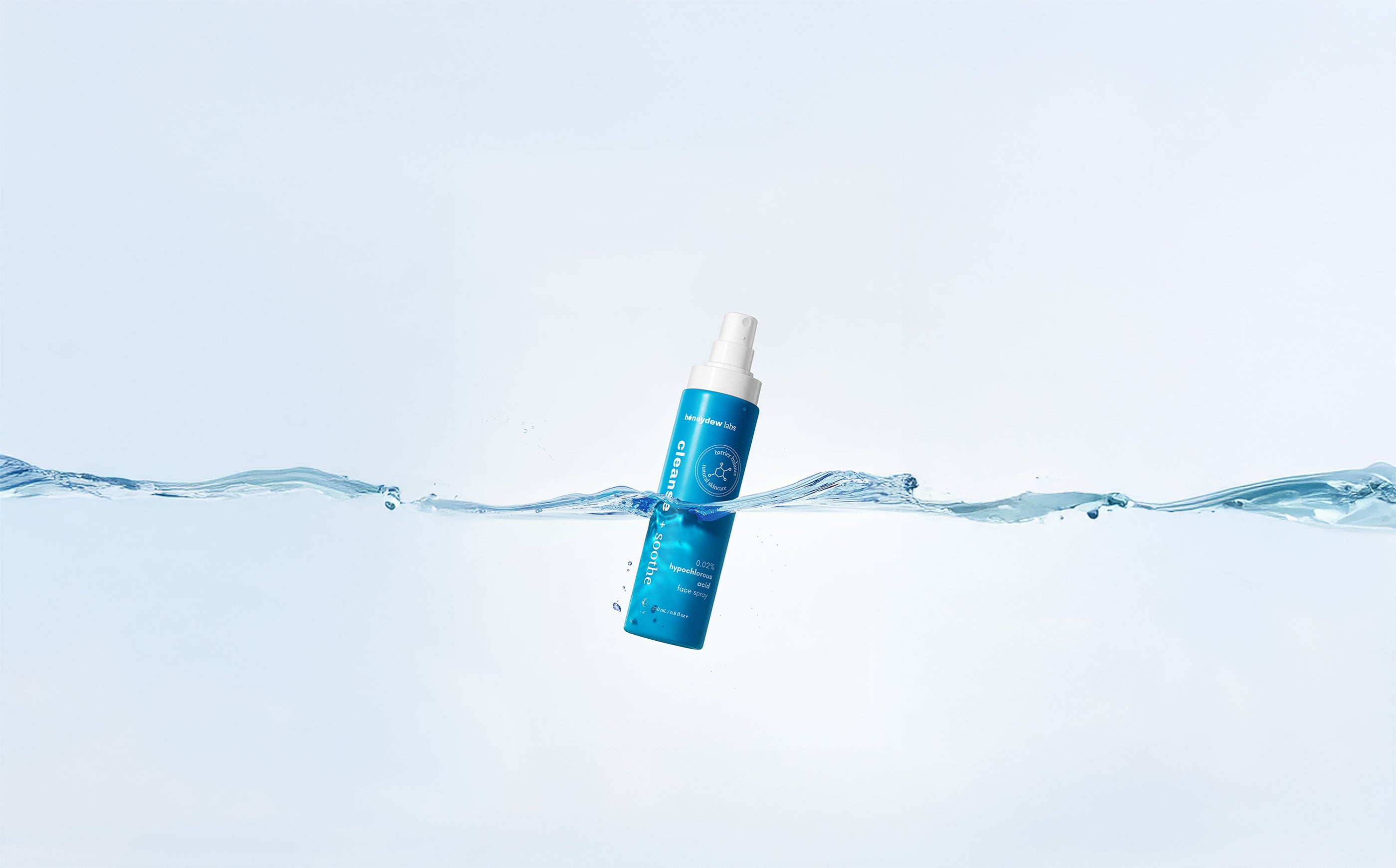
If you’re looking for a hypochlorous acid spray, you can learn more about our formulation here.
It’s also available through select retailers, including Amazon.

Written by
Honeydew Labs Team


