

Yes, hypochlorous acid has been proven to eliminate a variety of viruses through appropriate usage. Hypochlorous acid has a well-established reputation for being antimicrobial, meaning that it can assist in the neutralization of viruses, along with other forms of microorganisms like bacteria and fungi, on contact with various surfaces or even the skin. Due to its effectiveness and low-level toxicity, the compound has gained much attention from researchers across the health care industry, among others.
According to the U.S. Environmental Protection Agency (EPA), disinfectants containing hypochlorous acid have been approved for use against viruses like SARS-CoV-2 under specific conditions.

What Is Hypochlorous Acid?
Hypochlorous acid (HOCl) is a naturally occurring molecule produced by the body’s immune system. White blood cells create hypochlorous acid to help fight harmful microorganisms, including bacteria and viruses. Scientists have studied hypochlorous acid for decades because of its ability to kill pathogens while still being gentle on human tissue.
Today, hypochlorous acid is used in:
- Wound care
- Surface disinfectants
- Skin sprays
- Medical cleaning solutions
- Skincare products
Some of the main reasons hypochlorous acid has become widely accepted include the fact that this compound has different effects compared to other disinfecting agents such as bleach or alcohol.
How Does Hypochlorous Acid Kill Viruses?
Virus are microscopic infectious agents that depend on their host cell for survival and propagation. Hypochlorous acid is known to assist in killing the virus by destroying vital components of the pathogen.
Studies have shown that hypochlorous acid is able to:
- Destroy outer components of virus
- Deteriorate protein coat of the virus
- Prevent replication of the virus
- Oxidize and inhibit pathogen
As mentioned in one study available from the National Library of Medicine, the hypochlorous acid kills the pathogen by using oxidation reactions that destroy the structural integrity of the microorganism.
This explains why hypochlorous acid is widely applied in disinfection and sanitization products.
Is Hypochlorous Acid Effective Against All Viruses?
Not necessarily. While hypochlorous acid has demonstrated effectiveness against many viruses, its effectiveness depends on factors like:
- Concentration
- Contact time
- Formulation
- Type of virus
- How the product is used
Some viruses are easier to inactivate than others. Enveloped viruses, which have an outer lipid membrane, are generally more vulnerable to disinfectants. Viruses like influenza and SARS-CoV-2 fall into this category.
The EPA List N includes certain hypochlorous acid-based disinfectants approved for emerging viral pathogens when used according to label instructions.
This is important because not all hypochlorous acid products are created equally. Some are specifically formulated for disinfecting surfaces, while others are intended for skincare or cosmetic purposes.
Can Hypochlorous Acid Be Used on Skin?
A unique feature of some kinds of hypochlorous acid is that they are skin-safe. Hypochlorous acid spray for skin cleansing is often utilized to soothe the irritation. Hypochlorous acid features such characteristics as anti-inflammatory and antimicrobial effects while being tolerable for the skin.
Typical usage cases include hypochlorous acid spray:
- After exercising
- After sweating
- After aesthetic procedures
- For refreshing irritated skin
- As a part of acne treatments and skin sensitivity treatments
The light formula of hypochlorous acid does not stick to the skin, which allows for using it without any problems.
It should be noted that there are cases where skincare sprays cannot be substituted for disinfectants. There are certain formulations of hypochlorous acid for cosmetic purposes and other hypochlorous acid products for surface disinfection.
Why Hypochlorous Acid Became Popular During the Pandemic
There was a considerable interest in hypochlorous acid during the COVID-19 pandemic since people sought out milder disinfectants rather than bleach and other harsher cleaning agents. Consumers were looking for a product that would be effective at eliminating pathogens but safer and less irritating for use indoors.
Some reasons why hypochlorous acid caught people's attention included its ability to:
- Kill many pathogens
- Have fewer pungent fumes
- Be less irritating than bleach
- Be used in healthcare facilities
- Generally be gentler to the skin
Cleaning and disinfection are still vital when trying to reduce viral spread in surfaces.
In addition, the interest in hypochlorous acid was heightened in skincare circles during the pandemic since people noticed irritations to their skin caused by the frequent use of sanitizers and masks.
Is Hypochlorous Acid Better Than Alcohol?
They perform different functions; thus, neither of the two can be considered to be always better.
Products with alcohol:
- Quickly evaporates
- Are popular ingredients in hand sanitizers
- Tend to have a drying effect on the skin
Hypochlorous acid products:
- Tend to be more skin-friendly
- Promote wound healing
- Used in both health care facilities and for skincare
- Are effective when properly applied
Sprays containing hypochlorous acid are preferred by many due to their softer effect compared to those with a lot of alcohol.
Is Hypochlorous Acid Safe?
Hypochlorous acid solutions have been shown to be safe when used as instructed. Since the substance is created in the body, it is regarded as safer compared to other disinfecting agents.
According to the Cleveland Clinic, hypochlorous acid is commonly used in skin care products due to its mildness and effectiveness.
However, one should take into consideration certain factors, namely:
- Follow instructions on the label strictly
- Ensure appropriate usage
- Do not interchange products unless advised by specialists
Individuals with sensitive skin prefer hypochlorous acid since it is unlikely to cause burning or irritation, unlike some other antiseptics. Read more here.
The Main Takeaway
Hypochlorous acid is known to effectively destroy viruses and is commonly utilized in medicine, disinfection, and skincare owing to its antimicrobial activity. This action is thought to be performed by breaking down and inactivating harmful organisms, yet being less destructive than other agents.
At the same time, the efficacy will vary depending on the nature of the specific solution and method of use. While there are some hypochlorous acid spray products that are aimed at moisturizing and reducing irritation of the skin, there are other solutions intended to destroy viruses on surfaces.
FAQ
Is hypochlorous acid effective against viruses on the skin?
There are certain hypochlorous acid products that can help minimize the number of microbes on the skin. However, there are products that differ from each other, so it is critical to follow their instructions on labels.
Is hypochlorous acid recognized by the EPA?
Yes, some hypochlorous acid disinfecting products can be found on the EPA’s List N for effective protection against emerging pathogens when used correctly.
Is hypochlorous acid effective against the coronavirus?
EPA-approved hypochlorous acid disinfecting products have been certified to protect against the new coronavirus when used properly and within adequate time periods.
Is hypochlorous acid suitable for daily use?
Numerous hypochlorous acid products made for skincare can be safely used regularly; however, it depends on the product and its purpose.
Can hypochlorous acid be used as hand sanitizer?
Hypochlorous acid products are not necessarily replacements for hand sanitizers because alcohol-based hand sanitizers are recommended in numerous cases.
Disclaimer
This article is for informational purposes only and is not medical advice. Always follow product instructions and consult healthcare professionals for questions regarding disinfectants, skincare products, or virus prevention.
References
- Centers for Disease Control and Prevention. (2024). Cleaning and disinfecting with bleach. CDC. https://www.cdc.gov/hygiene/about/cleaning-and-disinfecting-with-bleach.html
- Cleveland Clinic. (2024). Hypochlorous acid benefits for skin. Cleveland Clinic. https://health.clevelandclinic.org/hypochlorous-acid-skin-care
- National Center for Biotechnology Information. (2018). Hypochlorous acid technology in dermatology. U.S. National Library of Medicine. https://pmc.ncbi.nlm.nih.gov/articles/PMC6303114/
- National Center for Biotechnology Information. (2020). Hypochlorous acid as a potential wound care agent. U.S. National Library of Medicine. https://pmc.ncbi.nlm.nih.gov/articles/PMC7315945/
- U.S. Environmental Protection Agency. (2024). List N: Disinfectants for use against SARS-CoV-2. EPA. https://www.epa.gov/pesticide-registration/list-n-disinfectants-use-against-sars-cov-2
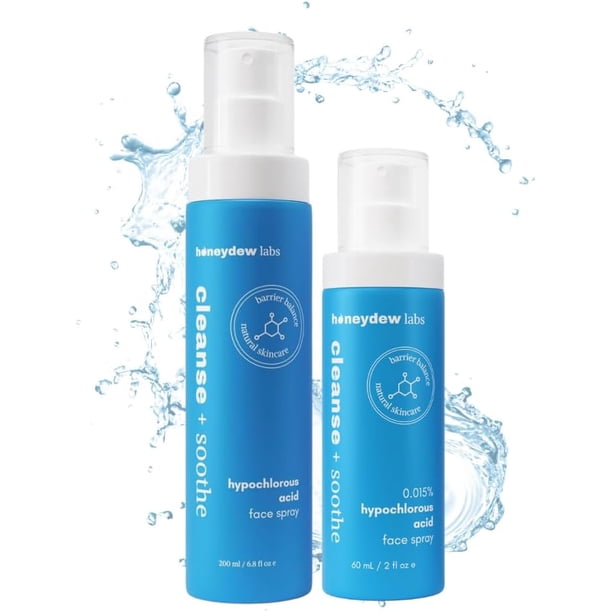
If you’re looking for a hypochlorous acid spray, you can learn more about our formulation here. It’s also available through select retailers, including Amazon. More places to buy hypochlorous acid sprays are here.

Written by
Honeydew Labs Team


