

The best products for oily skin are gentle, lightweight, and non-comedogenic. A good oily skin routine usually includes a gentle foaming cleanser, a lightweight moisturizer, sunscreen, oil-balancing ingredients like niacinamide or salicylic acid, and a hypochlorous acid spray for skin that feels sweaty, irritated, or breakout-prone. The goal is not to dry your face out completely. The goal is to control shine while keeping your skin barrier healthy.

What Oily Skin Actually Needs
Oily skin occurs when the skin secretes an excessive amount of sebum compared to the body’s requirements. Sebum is the natural secretion from the skin that acts as a protective layer against external elements; hence it is not unhealthy at all. However, the issue arises when excess oil combines with perspiration, dead skin cells, cosmetics, lotions, or bacteria.
The temptation is to use very strong cleaners, toners that leave your skin feeling very dry, or acne remedies, until your skin feels tight. Unfortunately, such an approach can make things worse. Irritation or dehydration of oily skin can make it feel uncomfortable and also look greasy. The American Academy of Dermatology advises one to go for oil-free and non-comedogenic products, clean up to twice a day and after sweating.
1. Gentle Foaming Cleanser
The cleanser is one of the key products that will work best on oily skin. Go for a mild foaming cleanser that works by washing off oils, sunscreens, and build-up from your skin without making your skin dry and tight.
It should be used in the mornings if you start your day with oily skin, and in the evening to wash away everything from your skin during the day. Should you perspire after exercising, wash your skin again or simply rinse your skin if possible.
2. Salicylic Acid Product
The salicylic acid, also known as BHA, is one of the most effective components for oily and acne-prone skin. This ingredient is oil-soluble, and it means that it can penetrate deeper into oily pores and perform its action better than some water-soluble exfoliating acids. Salicylic acid is effective in blackhead treatment, unclogging pores, and reducing skin texture imperfections.
It is not necessary to apply salicylic acid at every single stage. Choose one of the products, such as cleansing or toning solution, and start using it several times per week, increasing the frequency of usage if your skin accepts it well. Over-exfoliation might cause dryness, redness, stinging, or irritation.
3. Niacinamide Serum
Niacinamide is a great ingredient for oily skin because it is gentle, easy to layer, and can support a more balanced-looking complexion. It is often used for shine, uneven tone, redness, and barrier support.
A study listed on PubMed found that topical 2% niacinamide helped lower sebum excretion rates in one group and casual sebum levels in another group. In normal skincare language, that means niacinamide may help skin look less oily over time. It is not an instant mattifying filter, but it can be a smart ingredient in a consistent routine.
4. Lightweight Moisturizer
The problem of oily skin is that one avoids moisturizers thinking that their skin will become greasier. However, this skin type might lack hydration. Oily skin, which feels tight, flaky, and even irritated under the surface, is dehydrated, thus requiring extra care from the outside.
Pick either gel, gel-cream, or lotion moisturizer. The most suitable products are usually labeled as oil-free, non-comedogenic or "won't clog your pores." Hydrating agents, such as glycerin, hyaluronic acid, panthenol, and ceramides, might help moisturize your skin without making it oily.
5. Non-Greasy Sunscreen
Sunscreen is still necessary for oily skin. The trick is finding a formula that does not feel heavy. Look for lightweight, oil-free, non-comedogenic sunscreens with a natural or matte finish. Gel, fluid, and mineral formulas can work well, depending on your skin tone and texture preference.
If sunscreen always makes you shiny, try using a lighter moisturizer underneath or choosing a sunscreen that already has hydrating ingredients. You can also use blotting papers later in the day instead of piling powder on top of oil.
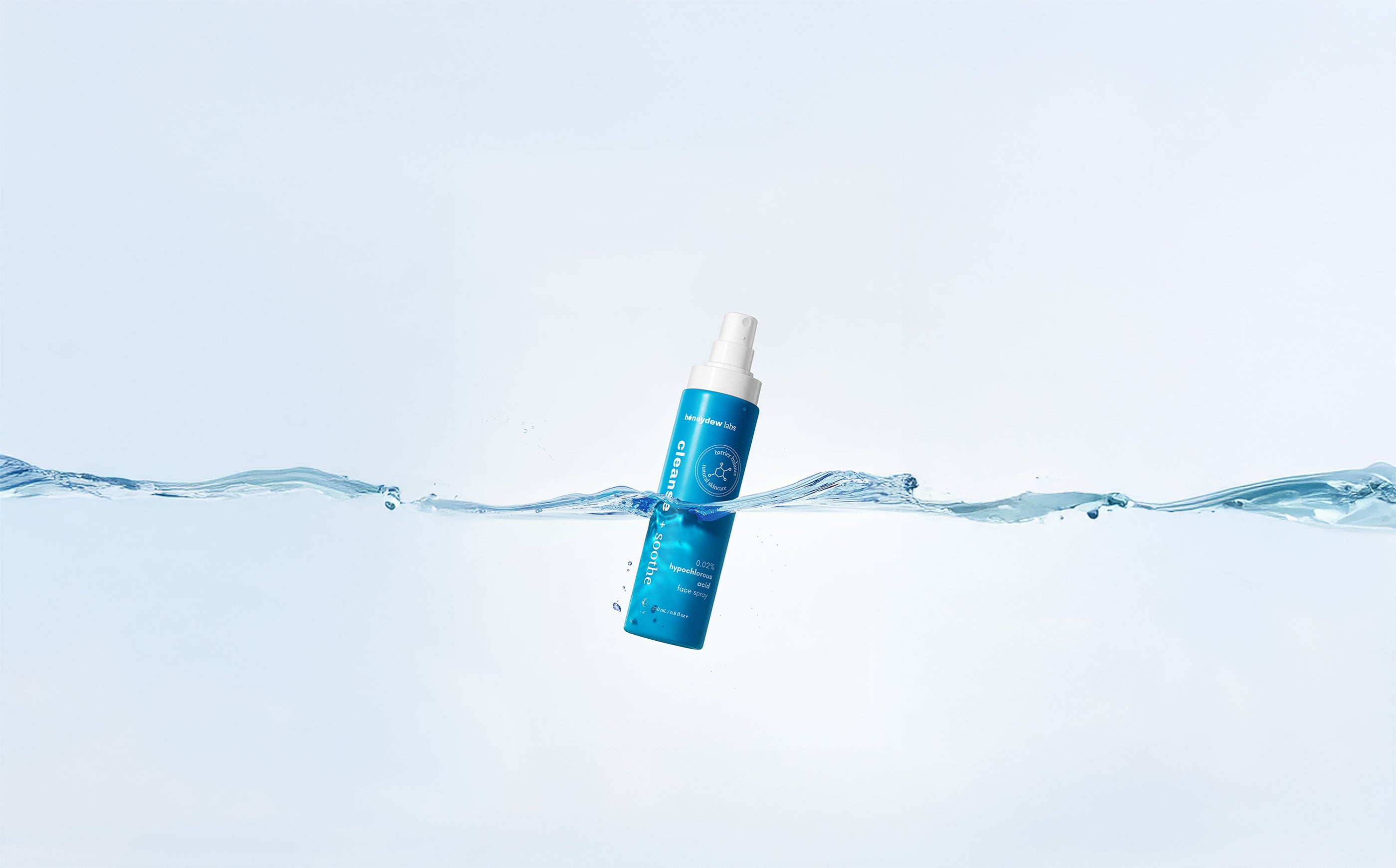
6. Hypochlorous Acid Spray
A hypochlorous acid spray can be helpful for oily skin that feels sweaty, irritated, or breakout-prone. Hypochlorous acid, also called HOCl, is known for antimicrobial and anti-inflammatory properties. A review in the Journal of Clinical and Aesthetic Dermatology explains that topical hypochlorous acid has been studied for skin-related uses connected to wounds, itching, ulcers, and inflammatory skin concerns.
For oily skin, a hypochlorous acid spray is not meant to replace cleanser, moisturizer, sunscreen, or acne treatments. Think of it as a refreshing support step. It can be useful after workouts, after wearing a mask or hat, during hot weather, or anytime your skin feels sweaty and uncomfortable but you cannot fully wash your face yet.
7. Clay Mask or Blotting Papers
Clay masks and blotting sheets may work well for dealing with oily skin; however, these products must not be overused. Clay masks can be used once a week since they will absorb extra oil and make pores look cleaner for a period of time. Blotting sheets will be helpful at daytime since they absorb oil without interrupting the whole process.
Do not apply aggressive masks on a daily basis. In case you experience the feeling of dryness and tightness after wearing a mask, do it less frequently or use a milder one.
What to Avoid if You Have Oily Skin
Stay away from products that leave your skin feeling stripped, burning, and tight. Using alcohol-rich toners, harsh scrubs, heavy creams that clog pores, and an overload of active ingredients can make oily skin care a bit more difficult.
Stay away from having matte skin all day long. A bit of shine is fine. Your skin needs its natural oils to be healthy. An ideal skin care routine should not leave your skin irritated but rather refreshed and clean.
Routine for Oily Skin
Apply cleanser if needed, apply niacinamide or hypochlorous acid spray, put on a lightweight moisturizer, and then use sunscreen in the morning. Wash your skin in the evening, apply salicylic acid 2-3 times a week, and moisturize. You can always cleanse after exercising or sweating, or you can just use the spray.
The most effective products for oily skin are those that won't irritate your skin and which you can include in your routine on a regular basis.
FAQ
What products are best for oily skin?
The best products for oily skin include a gentle foaming cleanser, lightweight moisturizer, non-greasy sunscreen, salicylic acid, niacinamide, blotting papers, and hypochlorous acid spray.
Should oily skin use moisturizer?
Yes. Oily skin still needs hydration. Skipping moisturizer can leave your skin feeling tight or dehydrated, even if it still looks shiny.
Is salicylic acid good for oily skin?
Yes. Salicylic acid can help with clogged pores, blackheads, and excess oil. Start slowly to avoid over-exfoliating.
Is hypochlorous acid spray good for oily skin?
It can be helpful for oily skin that feels sweaty, irritated, or breakout-prone. It works best as a support step, not as a replacement for cleansing or acne treatment.
How do I stop my face from getting oily?
You may not be able to stop oil completely, but you can manage it with gentle cleansing, non-comedogenic products, lightweight hydration, sunscreen, and oil-balancing ingredients like niacinamide or salicylic acid.
Disclaimer
This blog is for educational purposes only and is not medical advice. Oily skin and acne can have different causes, including hormones, genetics, stress, medications, and skincare habits. If you have painful acne, sudden changes in your skin, or breakouts that do not improve, speak with a dermatologist or healthcare professional.
References
- American Academy of Dermatology Association. (2024). How to control oily skin. https://www.aad.org/public/everyday-care/skin-care-basics/dry/oily-skin
- Del Rosso, J. Q., & Bhatia, N. (2018). Status report on topical hypochlorous acid: Clinical relevance of specific formulations, potential modes of action, and study outcomes. Journal of Clinical and Aesthetic Dermatology, 11(11), 36–39. https://pmc.ncbi.nlm.nih.gov/articles/PMC6303114/
- Draelos, Z. D., Matsubara, A., & Smiles, K. (2006). The effect of 2% niacinamide on facial sebum production. Journal of Cosmetic and Laser Therapy, 8(2), 96–101. https://pubmed.ncbi.nlm.nih.gov/16766489/

Written by
Honeydew Labs Team


