

The best blackhead removal products are gentle, pore-focused products that help loosen clogged oil and prevent new blackheads from forming. Look for salicylic acid, retinoids, non-comedogenic moisturizers, lightweight sunscreen, and a gentle cleanser. A hypochlorous acid spray can also support blackhead-prone skin when it feels sweaty, irritated, or breakout-prone, but it should not be treated as the main blackhead remover.
Table of Contents
- What Are Blackheads?
- Salicylic Acid Products
- Retinoids
- Gentle Cleanser
- Non-Comedogenic Moisturizer
- Lightweight Sunscreen
- Clay Masks
- Pore Strips
- Hypochlorous Acid Spray
- How to Build a Blackhead Removal Routine
- FAQ
- Disclaimer
- References

A blackhead is an example of a blocked pore. In this case, the skin cells, oil, and debris block a hair follicle. However, since the opening remains intact, the clog gets exposed to the air and oxidizes, hence its black coloration. This color is not made of dirt and so no matter how hard you scrub, it won't get rid of the blackheads.
According to the Cleveland Clinic, blackheads are the mildest form of acne and tend to develop around the nose, chin, forehead, cheeks, chest, and back areas. They are most prevalent in oily and combination skin types, although any skin type can get blackheads.
This is the reason behind the most effective blackhead removal products, which take into account the inner workings of the pores rather than the surface of the skin.
1. Salicylic Acid Products
Salicylic acid is one of the best OTC products to get rid of blackheads. Salicylic acid is a beta-hydroxy acid, or BHA, which means that it is oil soluble and can penetrate oil and exfoliate inside the clogged pores.
According to the American Academy of Dermatology, salicylic acid opens the clogged pores and exfoliates the skin. Therefore, salicylic acid works well against blackheads as it addresses the exact problem of clogged pores that lead to their appearance.
There are various types of products that contain salicylic acid; these are cleansers, toners, serums, treatment pads, and spot treatments. When using this product for the first time, use it twice or thrice a week. Overusing salicylic acid can cause dryness, tightness, flakiness, and irritation of the skin.
2. Retinoids
Another group of blackhead removing product to consider is retinoids as they help prevent clogged pores over time. As opposed to treatments aimed at eliminating blackheads currently present on the skin, retinoids help increase skin cell turnover so that dead cells do not accumulate within pores.
Adapalene is a popular retinoid one can purchase without a prescription for the treatment of acne. Prescription retinoids may be suggested by a dermatologist in case of severe or recurring blackheads.
According to the Mayo Clinic, adaptalene has proven effective in cleansing pores and preventing new blemishes. For this reason, retinoids are a better solution than pore strips.
When applying retinoids, start slowly. Use only pea-size amount for the entire face in the evening, followed by application of a moisturizer. One should avoid getting the product near their eyes, nostrils, and mouth corners. Due to increased skin sensitivity, sunscreen is crucial when using retinoids.
3. Gentle Cleanser
A cleanser will not remove deep blackheads on its own, but it helps keep oil, sunscreen, makeup, sweat, and product buildup from sitting on the skin. That makes it an important first step in any blackhead routine.
If your skin is oily, a gentle foaming cleanser may work well. If your skin is dry or sensitive, a gel or cream cleanser may feel better. Avoid cleansers that leave your skin feeling stripped or squeaky. That tight feeling is not a sign that your pores are cleaner. It usually means your skin barrier is stressed.
Use cleanser at night, and cleanse in the morning if you wake up oily. If you wear makeup or heavy sunscreen, double cleansing can be helpful.
4. Non-Comedogenic Moisturizer
Even with blackheads, moisturizer remains relevant. While many people with blocked pores forego using moisturizer due to the concern that it might cause excess oiliness, dryness in the skin can lead to irritations and be more challenging to manage.
Choose non-comedogenic, oil-free, or lightweight moisturizers. The gel-cream or light lotion formula is preferable to thick creams or facial oils in the case of blackheads. Ingredients such as glycerin, hyaluronic acid, panthenol, and ceramides can moisturize the skin without being too greasy.
With a proper skin barrier, the usage of salicylic acid and retinoids becomes easier. If your active products are still causing peeling and irritation, your routine may be too intense.
5. Lightweight Sunscreen
It is also imperative to have sun protection in a blackhead skincare regimen, particularly when you include retinoids and exfoliating agents in the mix. It is because certain sunscreens can be heavy and cause skin congestion on oily, blackhead-prone skin.
One must opt for light, non-comedogenic sunscreens, which include gel, fluid and oil-free varieties. In case you get acne from one sunblock product, it is best to use another type than not using any sun protection at all.
Moreover, sun protection will also save your skin from irritation from other products used to tackle blackheads.
6. Clay Masks
Clay masks can be effective blackhead elimination products if used properly. They can absorb excess sebum and clean pores temporarily. Clay masks have gained popularity mainly in the areas of nose, chin, and forehead.
But clay masks cannot be regarded as a full-fledged solution to blackheads. While they can lessen shine and surface sebum, they cannot stop the blockage of pores like salicylic acid or retinoids can. If your skin is sensitive, use the mask no more than once a week.
If you experience feelings of tightness or dryness after using clay masks, then you are overusing them.
7. Pore Strips
Pore strips can remove some surface buildup, which is why they feel satisfying. However, they do not stop blackheads from coming back because they do not fix the reasons pores keep clogging.
They can also be irritating if used too often, especially on sensitive skin. If you use pore strips, treat them as an occasional quick fix rather than your main blackhead removal method.
For long-term results, salicylic acid and retinoids are usually better choices.
8. Hypochlorous Acid Sprays
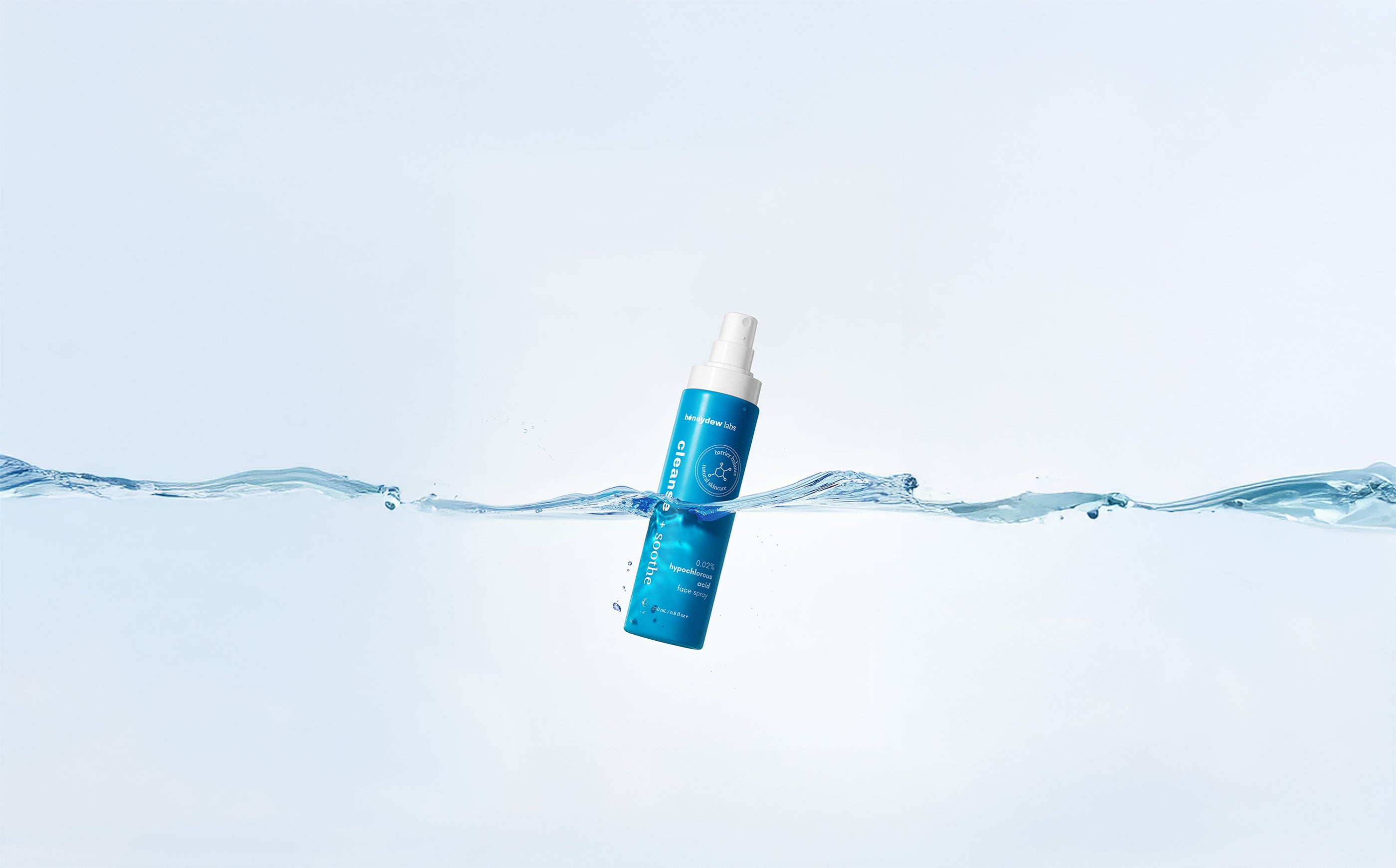
A hypochlorous acid spray is not an ingredient which dissolves blackheads, exfoliates in the pores, or substitutes for a retinoid. However, it may serve as a beneficial secondary product for someone with oily, sweaty, irritated or break-out skin.
Imagine hypochlorous acid spray to be a refreshing step in your routine. Such product may help you after exercising, wearing a mask, in warm weather, or if your skin is irritated but you cannot wash your face. This point is important since sweat, oil, and irritation make blackhead-prone skin more uncomfortable.
Use hypochlorous acid in combination with other proven products for pores if you have blackheads.
How to Build a Blackhead Removal Routine
A simple blackhead routine is better than using every product at once. In the morning, cleanse if needed, use a lightweight moisturizer, and apply sunscreen. You can also use hypochlorous acid spray when your skin feels sweaty or irritated.
At night, cleanse well, then use salicylic acid a few times per week or a retinoid on alternate nights. Follow with moisturizer. Do not start salicylic acid and retinoids at full strength on the same day. Give your skin time to adjust.
Blackheads take time to improve. Quick products may make pores look cleaner for a day, but long-term results come from consistent, gentle pore care.
Learn more about other skincare products for blackheads here.
FAQ
What is the best product to remove blackheads?
Salicylic acid is one of the best over-the-counter ingredients for blackheads because it helps exfoliate inside oily pores. Retinoids are also helpful for preventing new clogged pores.
Do pore strips actually remove blackheads?
Pore strips can remove some surface buildup, but they do not prevent blackheads from coming back. They are better as an occasional quick fix than a long-term solution.
Can hypochlorous acid spray remove blackheads?
No. Hypochlorous acid spray does not remove blackheads. It can support blackhead-prone skin by helping refresh skin that feels sweaty, irritated, or breakout-prone.
Should I use salicylic acid or retinol for blackheads?
Both can help, but they work differently. Salicylic acid helps clear oily pores, while retinoids help prevent clogged pores over time. Start with one and add the other slowly if your skin tolerates it.
How long does it take blackhead removal products to work?
Some products, like pore strips or clay masks, may make pores look cleaner right away. Salicylic acid and retinoids usually need several weeks of consistent use to show better results.
Disclaimer
This blog is for educational purposes only and is not medical advice. Blackheads are a common type of acne, but persistent acne, painful breakouts, scarring, or sudden skin changes should be discussed with a dermatologist or healthcare professional.
References
- American Academy of Dermatology Association. (2024). Acne: Diagnosis and treatment. https://www.aad.org/public/diseases/acne/derm-treat/treat
- Cleveland Clinic. (2021). Blackheads: What they look like, treatment & prevention. https://my.clevelandclinic.org/health/diseases/22038-blackheads
- Mayo Clinic Staff. (2024). Nonprescription acne treatment: Which products work best? https://www.mayoclinic.org/diseases-conditions/acne/in-depth/acne-treatments/art-20045814
If you’re looking for a hypochlorous acid spray for skin that feels sweaty, irritated, or breakout-prone, you can learn more about our formulation here. It’s also available through select retailers, including Amazon.

Written by
Honeydew Labs Team


